
WE’RE YAKIMA LAWYERS . WE FIGHT, WE WIN
Yakima Personal
Injury FAQs
MORE THAN 40 YEARS of combined experience
GET A FREE CONSULTATION

If you were injured in an accident in Yakima, Washington, you may have questions about your legal rights, insurance claims, compensation, and what happens if you share responsibility for the accident. Washington personal injury law allows people injured by another party’s negligence to seek compensation for qualifying losses.
The following Yakima personal injury FAQs address some of the most common questions injured people have after car accidents, falls, and other preventable incidents.
What Is Considered a Personal Injury Case in Washington?

A personal injury case generally arises when someone is harmed because another person, business, or organization acted negligently or wrongfully.
Common examples include:
- Car accidents
- Truck accidents
- Motorcycle accidents
- Pedestrian and bicycle accidents
- Slip and fall accidents
- Dog bites
- Defective products
- Workplace accidents involving third parties
- Wrongful death
Whether you have a claim depends on the circumstances surrounding your injury, including who caused it and whether their conduct contributed to your losses.
How Do I Know if I Have a Personal Injury Claim?
Most negligence-based personal injury claims require evidence that another party owed you a duty of care, failed to meet that duty, and caused injuries and losses as a result.
For example, drivers have a responsibility to operate their vehicles with reasonable care. A motorist who causes an accident by speeding, driving while distracted, or violating another traffic law may be financially responsible for resulting injuries.
Evidence such as accident reports, photographs, surveillance footage, medical records, witness statements, and vehicle damage can help establish what happened and who may be responsible.
What Should I Do After an Accident in Yakima?
Your health should be your first priority. Seek medical care promptly, even if you initially believe your injuries are minor. Some conditions may become more noticeable in the hours or days after an accident.
When possible, you should also:
- Report the accident to the appropriate authority or property owner
- Take photographs and videos of the scene
- Obtain names and contact information from witnesses
- Exchange insurance information after a motor vehicle crash
- Keep copies of medical bills and other accident-related expenses
- Follow your doctor’s treatment recommendations
- Avoid posting detailed information about the accident on social media
Keeping organized records may make it easier to document your injuries and financial losses later.
How Long Do I Have To File a Personal Injury Lawsuit in Washington?
Washington generally provides three years to bring a lawsuit for personal injury.
However, not every claim follows the same deadline. Different rules can apply in cases involving government entities, medical negligence, minors, and certain other circumstances. Waiting can also make it harder to locate witnesses or preserve important evidence.
Because missing an applicable deadline can prevent you from recovering compensation, it is important to determine which time limit applies to your particular case.
Can I Recover Compensation if I Was Partly at Fault?
Possibly. Washington follows a pure comparative fault system, which means that an injured person’s share of responsibility reduces their compensatory damages proportionately but does not completely prevent recovery.
For example, if your losses were valued at $100,000 and you were found 20% responsible for the accident, your recovery could generally be reduced by 20% to $80,000.
Because insurers may dispute how responsibility should be divided, evidence establishing how the accident occurred can be especially important.
What Compensation Can I Recover in a Personal Injury Case?
The compensation available depends on the injuries and losses caused by the accident. A personal injury claim may seek compensation for economic and non-economic damages.
Recoverable damages may include:
- Past and future medical expenses
- Lost wages
- Reduced earning capacity
- Rehabilitation and therapy
- Property damage
- Pain and suffering
- Emotional distress
- Loss of enjoyment of life
- Permanent disability or disfigurement
Serious injuries may require consideration of future treatment, long-term care, and the effect the injury may have on a person’s ability to work and live independently.
Who Pays for My Injuries After a Car Accident?
The answer depends on who caused the collision and what insurance coverage is available. Washington requires certain motorists subject to its financial-responsibility requirements to maintain minimum liability limits of $25,000 for bodily injury or death to one person, $50,000 for bodily injury or death to two people, and $10,000 for property damage.
A claim may involve the at-fault driver’s liability insurance, your own applicable insurance coverage, or coverage belonging to another responsible party.
When injuries are severe, available insurance limits can become an important issue because medical expenses and other losses may substantially exceed minimum coverage.
Do I Have To Accept the Insurance Company’s Settlement Offer?
No. You generally are not required to accept an insurer’s initial settlement offer.
Before resolving a claim, consider whether the proposed amount accounts for all accident-related losses, including future medical treatment, ongoing symptoms, lost earning capacity, and other long-term consequences.
Once you sign a settlement and release, you generally cannot return later and request additional compensation simply because your injuries turned out to be more serious than expected. Understanding the extent of your injuries before resolving a claim can therefore be important.
Will My Personal Injury Case Go to Trial?
Most personal injury claims do not necessarily require a trial. Claims may be resolved through negotiations after the parties have investigated liability, evaluated injuries, and exchanged supporting information.
However, litigation may become necessary when the parties disagree about who caused the accident, the severity of the injuries, or the appropriate amount of compensation.
Preparing a case thoroughly from the outset can help preserve the option to pursue the claim in court if a fair resolution cannot be reached.
When Should I Contact a Personal Injury Lawyer?
You can speak with a lawyer at any stage of your claim, but getting legal advice early may help you understand deadlines, insurance issues, and the evidence needed to support your case.
Legal guidance may be particularly useful when fault is disputed, multiple parties may be responsible, injuries are severe, the insurer questions medical treatment, or a settlement offer does not appear to account for your full losses.
Contact the Yakima Personal Injury Lawyers at Montoya Hinckley Injury Lawyers for a Free Consultation
If someone else’s negligence injured you in Yakima, Washington, you do not have to navigate the insurance and claims process on your own. Montoya Hinckley Injury Lawyers represents injured individuals and families in Yakima and throughout Central Washington and offers free consultations. Contact the firm today at (509) 895-7373 to discuss your case with a Yakima personal injury lawyer and learn more about your legal options.
We proudly serve Yakima County and its surrounding areas.
Montoya Hinckley Injury Lawyers Yakima
4301 Tieton Dr, Yakima, WA 98908
(509) 895-7373
Hours: M-F 8 AM–12 PM AND 1–5 PM
Attorney Kevan Montoya
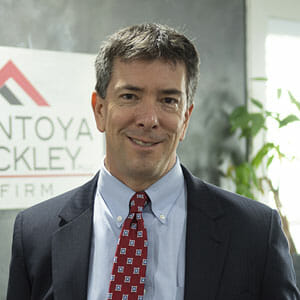 For over thirty years, Mr. Montoya has successfully represented clients in litigation involving multi-million dollar cases involving wrongful death, employment and business and commercial disputes. He regularly counsels businesses in Yakima and Central Washington on employment policies and helps businesses train employees regarding employment law compliance. He regularly speaks on employment issues. [ Attorney Bio ]
Attorney Tyler Hinckley
 Tyler Hinckley represents individuals and businesses in state and federal court in litigation involving personal injury, property damage, employment claims, and business and commercial disputes. He represents individuals and businesses in a variety of employment cases, including wrongful termination, wage and hour, employment discrimination, and retaliation. Additionally, he represents individuals in residential construction defect and construction contract disputes, easement and boundary line disputes, and in cases involving damage to real property. Tyler also represents clients in administrative proceedings before state administrative agencies. [ Attorney Bio ]

What Is MCS-90?
If you've been injured in a truck accident, you may hear the term MCS-90 endorsement. Although it sounds technical, this federal insurance endorsement can play an important role when questions arise about a trucking company's insurance coverage after a crash. While an MCS-90 endorsement does not guarantee compensation, it may help protect people
August 3, 2026